BLUEPRINT OF BECOMING
SEGMENT 2
SEGMENT 2 :
DNA GENERATING
Build the Blueprint of Your Little Us
With your identity successfully established, the next stage of your journey can begin. Inside the Genesis Chamber, your Genesis Card grants access to the Genesis Engine, a system designed to transform verified participant data into the foundation of a genetic blueprint.
This is where information begins to take shape. Through a series of genetic assembly procedures, you will help construct the RNA and DNA structures that form the biological foundation of your future Little Us. Every sequence completed brings the blueprint closer to completion, turning identity into the building blocks of life.
Figure
GUIDED BY PRECISION: MEETING DR. ELLEN ANASHE
As you enter the Genesis Chamber, you are welcomed by Dr. Ellen Anashe, Head of the Genetic Synthesis Division at HOPE Laboratory. Recognized for her expertise in advanced genetic systems, she oversees the technologies responsible for transforming participant data into biological foundations.
With a calm and reassuring presence, Dr. Anashe introduces you to the Genesis Engine and explains the significance of the procedures ahead. To her, genetic assembly is more than a scientific process it is the moment where information begins its transformation into possibility.
Throughout Segment 2, she guides you through each stage of the assembly process, helping you understand how every sequence contributes to the foundation of your future Little Us.
Gameplay
DNA & RNA Gameplay
Players engage in gameplay related to DNA and RNA processes as part of the DNA Generator system.
End of this Segment
THE FOUNDATION OF LIFE
The genetic blueprint has been successfully assembled.
What began as a verified identity has now become something more—a complete genetic foundation ready to support the next stages of your journey. Through the Genesis Engine, information has been transformed into structure, creating the blueprint that will guide future compatibility, reproduction, and the creation of your Little Us.
Your genetic foundation is complete.
The next chapter awaits.
Feature
TECHNOLOGIES BEHIND GENETIC CREATION
Segment 2 introduces the core technologies responsible for genetic assembly within HOPE Laboratory. Working together, these systems transform verified participant data into a complete genetic blueprint that will support future stages of the LITTLE US program.
GENESIS CARD
The Genesis Card serves as your personal laboratory credential and access key throughout the LITTLE US program. By connecting it to authorized systems, participants can unlock procedures, access advanced technologies, and continue their journey through HOPE Laboratory.
GENESIS CHAMBER
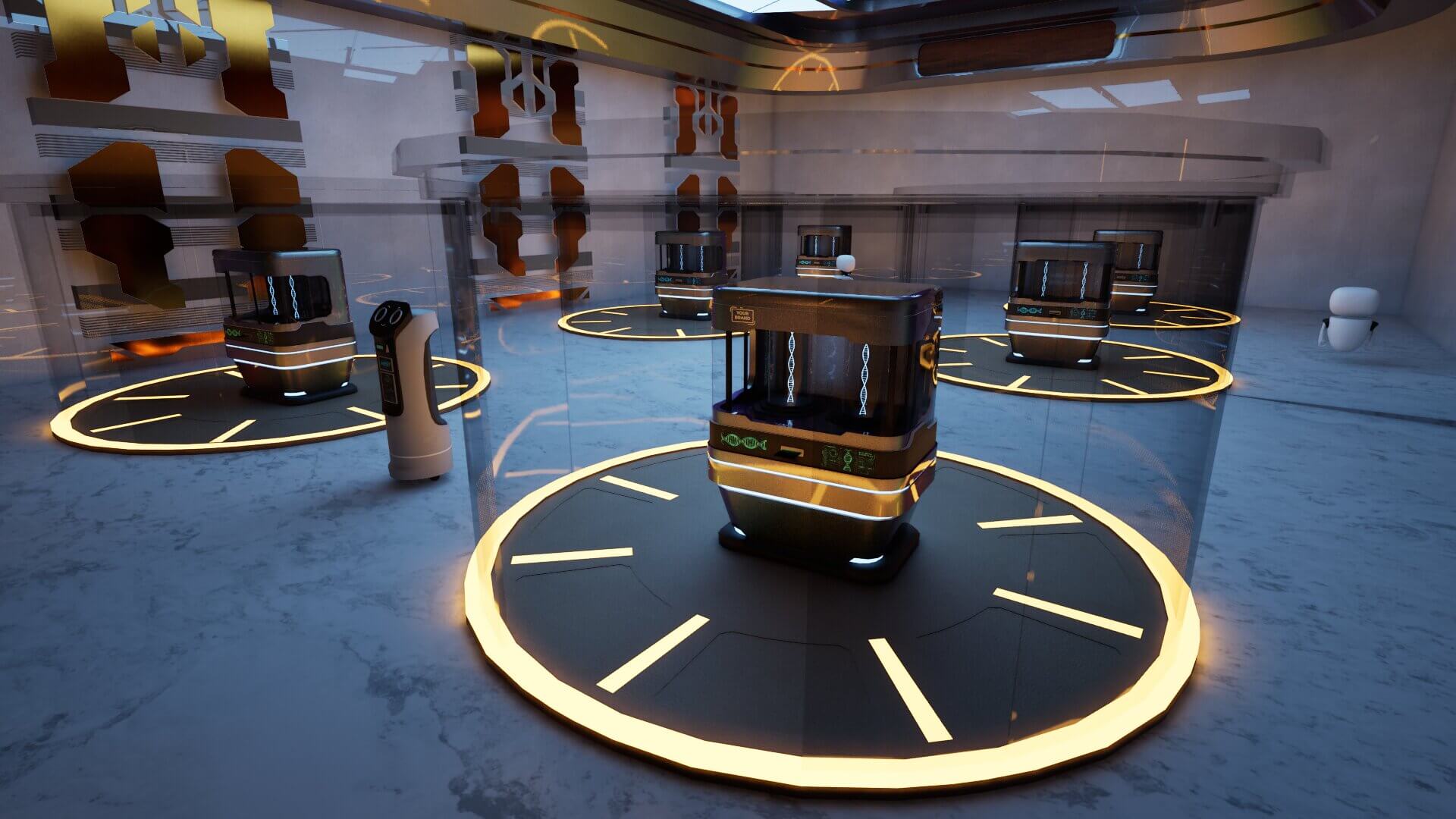
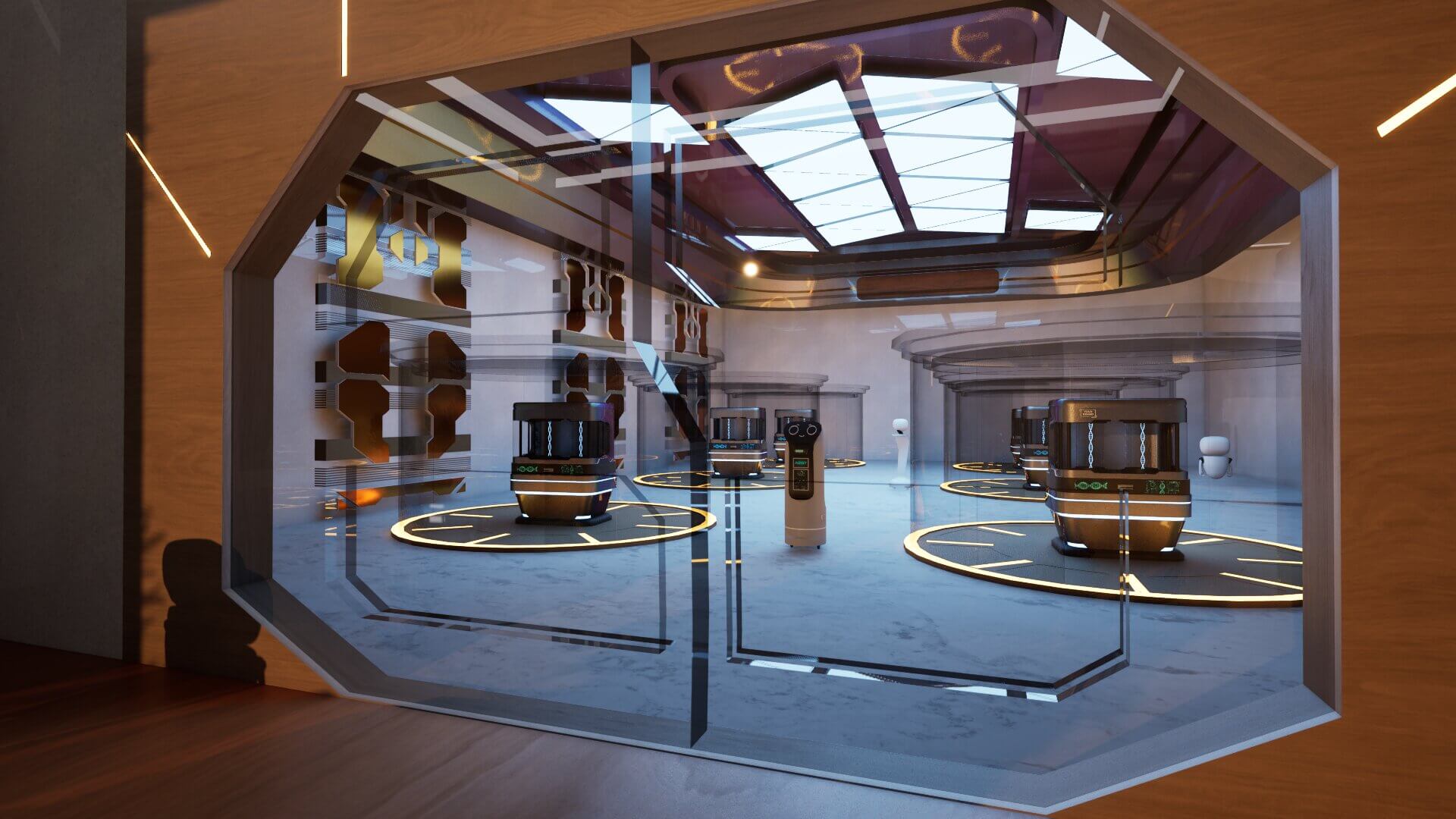
The Genesis Chamber is a specialized laboratory environment designed for genetic synthesis and assembly procedures. Built to maintain stability and precision, it provides the ideal conditions for constructing the genetic foundation of future life.
DNA AND RNA
Gameplay related to DNA and RNA processes as part of the DNA Generator system.
World
DNA GENERATOR ROOM
DNA GENERATOR MACHINE